You are virtually there.
The safety and security of our study abroad students is of utmost concern. It is important to
remember student safety cannot be guaranteed in foreign locations and students are
ultimately responsible for their safety abroad.
Being prepared is the best method of dealing with emergencies abroad. This series of web pages will provide students with some basic facts about safety when study abroad.
In a document titled “Responsible Study Abroad: Good Practices for Health and Safety, The Association of International Educators has complied a list of responsibilities students should consider before studying abroad.
The following is a brief summary of these student responsibilities.
Study abroad participants should:
- Attend pre-departure orientation sessions.
- Read and consider all printed materials related to health and safety concerns in the
![]() destination country.
destination country.
- Research the political, economic, and cultural context of the destination country before departure.
- Reflect on individual health concerns (physical or mental) and consult all necessary medical experts to determine appropriate care while overseas.
- Purchase international health insurance if going on a program which does not offer insurance. All Identity Abroad programs include health insurance and students are automatically enrolled for health insurance for the duration of their program.
- Provide family members, program staff, and study abroad office staff with accurate emergency contact information.
- Comply with all codes of conduct and emergency procedures of the study abroad program.
- Obey all host-country laws.
- Behave respectfully and encourage others to behave in a similar manner.
- Avoid all illegal drugs and exercise moderation when consuming alcohol.
- Consistently inform program staff of individual whereabouts.
- Become familiar with the medical and legal services available in country.
- Accept responsibility for individual decisions and actions.
Safe Travel
Consular Affairs
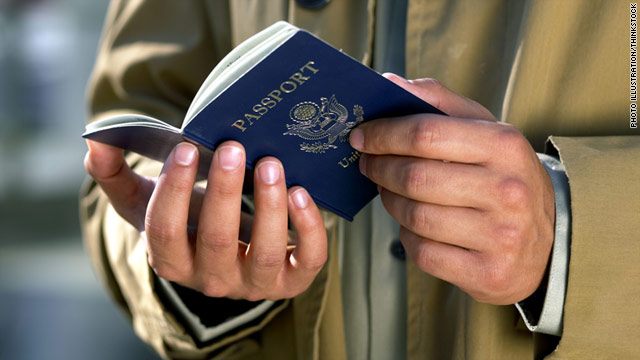
- Make three copies of your passport. Leave one at home, put one in a safe place where you will be studying and keep the other in your wallet. It is not necessary to carry your passport at all times. It should be kept in a secure location.
- Prior to leaving the US, register online with the U.S. Embassy.
- Review the consular page of your host country on the Department of State website.
- If your destination country is under an active travel warning, discuss the ability to travel to this country with your study abroad advisor.
Conduct Overseas
- While studying abroad, students are representatives of the United States and their respective university. Students continue to be bound to the university code of conduct while they are overseas.
- Use good judgment when drinking alcohol. Most accidents and injuries occur to study abroad students when they are drinking.
- Become involved with illegal drugs only if you want to extend your stay for a long period of time in less than desirable accommodations with a very poor meal plan. The University will not assist students who are caught using drugs abroad. Most countries have severe drug laws.
Harassment
-
Social norms are different. Do some research on gender relations before you go.
-
Women may feel particularly vulnerable in certain countries. Avoid walking alone late at night, drinking alone, or dressing in culturally inappropriate attire. Discuss any specific concerns with your resident director.
Other Safety Concerns
- Driving accidents are the number one cause of injury and death to U.S. citizens abroad. Avoid driving and be aware of safe modes of public transportation.
- Anti-American sentiment may be encountered in some countries and it is best to keep a low American profile when in public. The more you can blend in, the safer you will be.
- Avoid protests, rallies and well-known American hot-spots.
- Establish a way to be in contact with family and friends and be sure that your faculty or program director knows of your whereabouts.
- If something does occur, stay calm and find your way to a safe location as soon as possible.
Before Departure
- Have medical checkups before you leave to ensure a clean bill of health before departure.
- Make copies of important health records and make a note of how to contact your physician or therapist from overseas.
- The Centers for Disease Control and Prevention website lists immunizations and recommended for travelers. If you do need any immunizations contact your doctor, your university health center or a travel medical clinic such as Passport Health.
- Check with your mental health or physician if you do have a pre-existing mental or health condition to discuss the possible stresses that could result from studying abroad. Discuss with your doctor the best way to ensure you have required medication for the duration of your stay. Take copies of prescriptions with you. Keep medications in their original containers.
- Health insurance is required to study abroad. Please review the University policy.
While Overseas
-
Acquaint yourself with your host country’s health care system and how to find a doctor in the event of an emergency.
-
Health care differs dramatically between countries and may not be similar to the U.S.
- Diets change significantly while you are abroad and it may be difficult to monitor your diet if you have specific nutritional needs or preferences.
- Sanitation and health regulations differ. Because of the lack of sanitation in food preparation in some countries you may want to avoid street food and raw vegetables.
- If the director of your program advises you not to drink local water, use boiled or bottled water for brushing your teeth. Ask for drinks without ice and avoid raw vegetables because they are rinsed with tap water.
- Inform the director of the program if you are feeling sick so the appropriate action can be determined.
-
Us a condom if sexually active. Sexually-transmitted diseases are prevalent around the world.
-
EMERGENCY INFORMATION:
Please call campus police at 614-823-1222.
